Is Landscape Lighting Worth It in Victoria, BC?
If you've been looking into landscape lighting for your home in Victoria or elsewhere on Vancouver Island, you've probably asked yourself: is this actually worth the money?
It's a fair question.
Landscape lighting isn't a necessity. Your home functions just fine without it. So before spending a few thousand dollars, it makes sense to understand what you're actually getting — and whether it's the right investment for your property.
The answer isn't the same for everyone. For some homeowners, it's one of the best upgrades they make. For others, it's not a priority. This article walks through both sides so you can decide where you land.
What Landscape Lighting Actually Does
A lot of people assume landscape lighting is just about making things brighter.
It isn't.
The goal isn't to flood your yard with light. The goal is to make your property look intentional at night. When it's done properly, it does a few specific things.
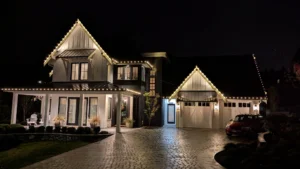
It makes your home visible again after dark. Key features — trees, entryways, stonework — start to show depth and structure instead of disappearing into shadow. Done well, it doesn't look "lit up." It just looks complete.
It makes outdoor spaces usable after dark. Without lighting, most outdoor areas shut down once the sun goes down. A well-lit patio, walkway, or backyard becomes functional again — which is where most homeowners notice the day-to-day value.
It improves safety. Walkways, steps, and grade changes become easier to see. That matters especially for guests who aren't familiar with your property.
It removes dark areas around your home. A well-lit exterior isn't a security system, but it does make a property less appealing as a target — and that has real value, even if it's harder to quantify.
What Landscape Lighting Costs in Victoria, BC
Most professionally installed landscape lighting systems in Victoria and across Vancouver Island fall somewhere in the range of $3,000 to $10,000+.
That range is wide for a reason. The final cost depends on the size of your property, the number of fixtures, and how the system is designed and installed. On Vancouver Island specifically, factors like moisture, coastal air, and established landscaping can also influence the design and installation approach.
If you want a detailed breakdown of what drives those costs, our guide to landscape lighting cost in Victoria, BC walks through it in full.
When Landscape Lighting Is Worth It
Landscape lighting tends to make sense when you care how your home looks from the street after dark, when you've already invested in landscaping and want to see it at night, when you spend meaningful time outside in the evenings, and when you plan to stay in your home long enough to enjoy what you've put into it.
In those cases, it's not just an upgrade — it changes how you use and experience your property.
When It's Probably Not Worth It
Landscape lighting isn't always the right move.
It may not make sense if you're planning to move soon, if you rarely spend time outside after dark, if you have higher-priority projects on your list, or if your primary goal is simply the lowest-cost option available.
There's nothing wrong with holding off. Like any upgrade, timing matters — and a system that gets installed at the wrong time tends to feel like a cost, not an investment.
Does Landscape Lighting Increase Home Value?
Not in a clean, measurable way.
You won't typically spend $5,000 and see your assessed value increase by $5,000. But it does change how your home is perceived — and that shows up in ways that matter when you're selling. Stronger first impressions, better listing photos, a more finished look compared to similar homes in the neighbourhood. These factors can influence both how quickly a home sells and how buyers judge its overall quality.
The less tangible version of this is worth naming too. A home that looks right at night is one its owners tend to feel better about. That's harder to put on a spreadsheet, but it's real.
The Part Most People Miss: Installation Quality
Whether landscape lighting is "worth it" often comes down to how it's installed.
Two systems can look similar on day one and perform very differently over time. Poor installations tend to corrode, shift out of position, develop connection issues, and look uneven after a season or two. Well-installed systems hold their positioning, maintain consistent light output, and last for years with minimal adjustment.
If you want to understand what can go wrong — and what questions to ask before you hire anyone — our article on common landscape lighting problems covers it in detail.
Why This Matters More on Vancouver Island
Landscape lighting tends to have more impact here than in many other regions.
On Vancouver Island, fall arrives early and winter evenings are long. Your home is in darkness by late afternoon for a significant portion of the year — not just a few weeks around the solstice. Unlike most of Canada, though, temperatures here stay mild. Outdoor spaces remain genuinely usable well into the evening, even in winter. That changes the math on landscape lighting considerably. A well-designed system isn't something you appreciate for a couple of months and forget about. It's working for you most evenings, across most of the year — because here, you're actually outside to enjoy it.
At the same time, the coastal conditions here put real demands on materials and installation. Moisture, rain, and salt air accelerate corrosion in lower-quality fixtures and connections. That's why material selection and installation method matter more on Vancouver Island than they might in a drier climate — and why a system that's well-specced for this environment will outperform one that isn't.
A Real Example: Landscape Lighting on a Vancouver Island Home
It's easier to understand the value of landscape lighting when you see how it changes a real property.
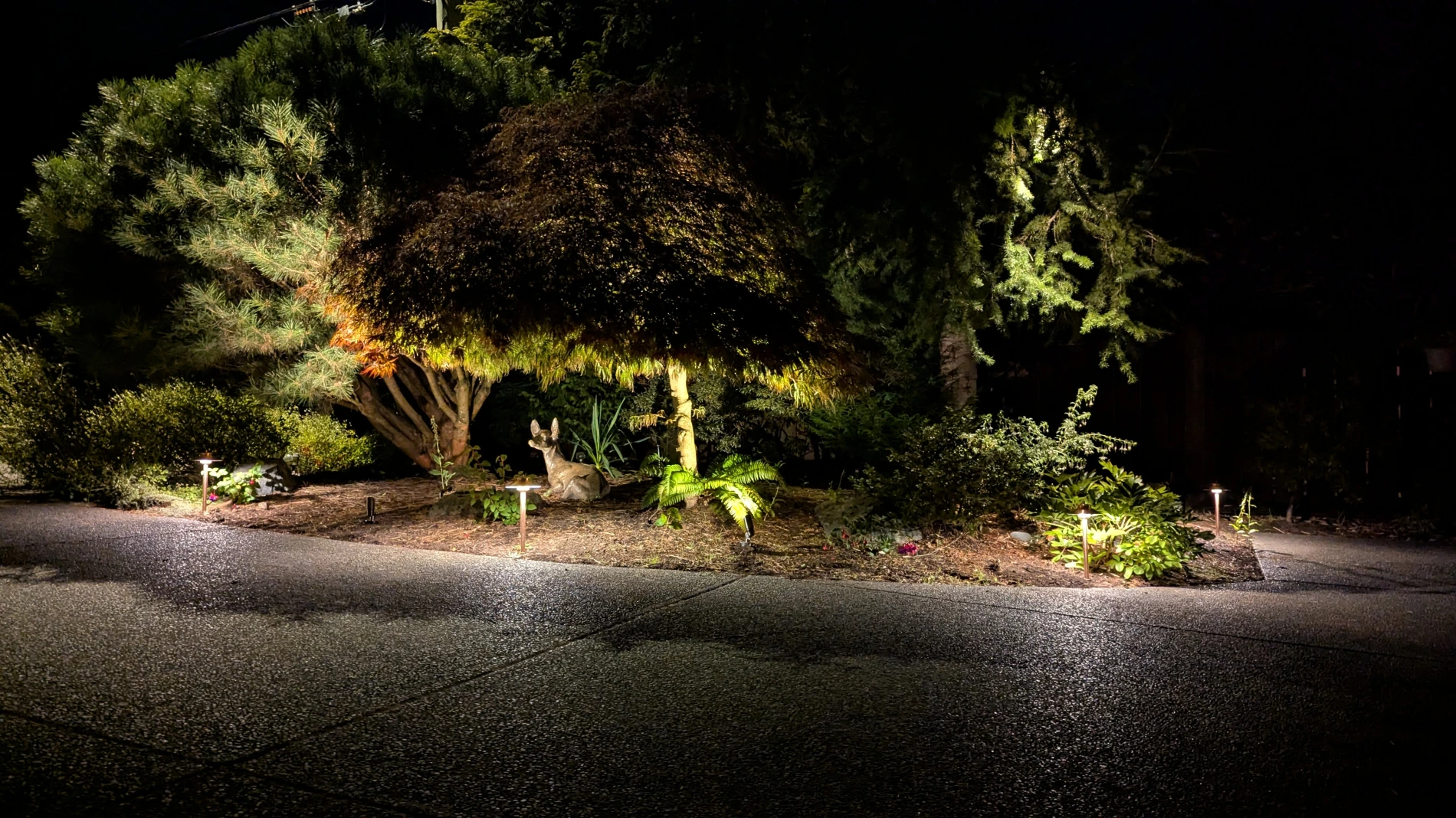
This project is a typical example of what we see on Vancouver Island. The home had strong landscaping during the day, but once it got dark, most of it disappeared. The yard felt flat, and there wasn't much definition between different areas. The goal wasn't to make the space brighter — it was to give it shape and presence after dark.
A single tree can carry a lot of visual weight on a property. In this case, it was already a focal point during the day but blended into the background at night. With controlled uplighting, the structure becomes visible again — height and depth without affecting the rest of the yard.
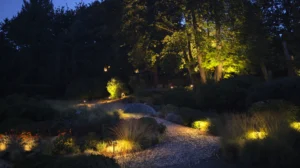
The front approach is where lighting tends to make the biggest difference. Before, the walkway and planting areas were hard to make out. After, the pathway becomes easier to navigate, the planting beds add structure instead of disappearing, and the home feels more connected to the landscape. Nothing here is overly bright. The goal is balance, not intensity.
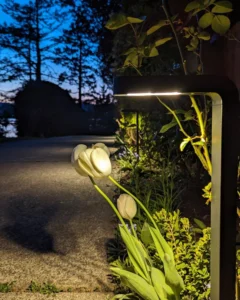
When light is placed in the right areas, the property feels more complete, outdoor spaces become usable, and the home maintains its presence after dark. That's usually where people start to see what the investment actually buys.
The Bottom Line
For a lot of homeowners in Victoria and across Vancouver Island, landscape lighting is worth it.
But not because it's essential — because it's worth it if you value how your home looks at night, want to use your outdoor space more, and plan to stay long enough to enjoy it. If those things don't matter much right now, it may not be the right time.
Thinking About Landscape Lighting for Your Home?
The easiest way to decide if it's worth it is to see what it would look like on your property.
At Light Right, we design and install landscape lighting systems across Vancouver Island. The goal isn't to add more lights — it's to make your property look the way it should at night. If you want to explore what that could look like for your home, request a quote or book a consultation.